
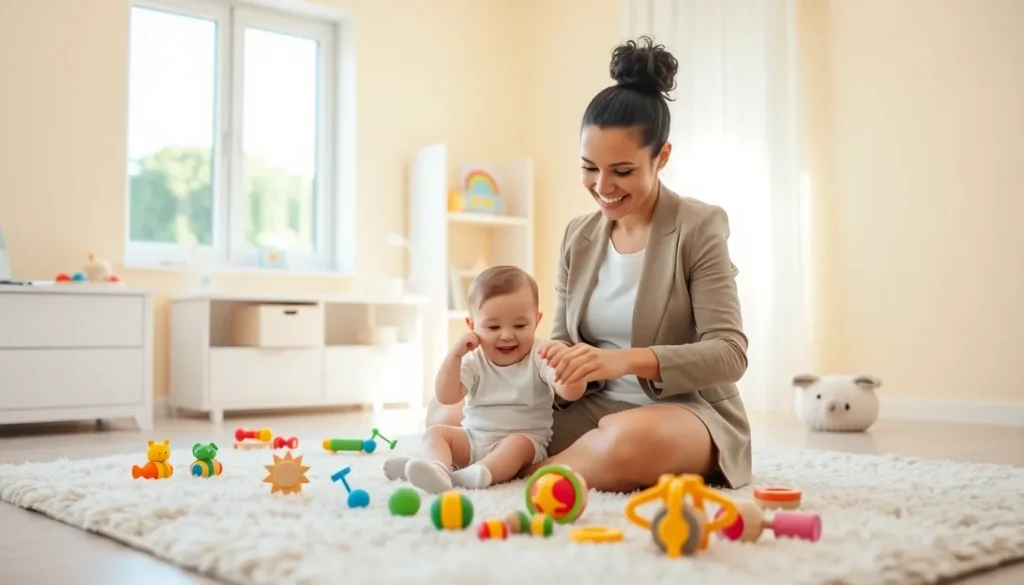
Ever watched an infant stare at a rattle as if it were the most fascinating object in the universe? Welcome to the remarkable world of early learning. Infants, with their big eyes and curious minds, are constantly absorbing the environment around them, much like tiny scientists on a quest for knowledge. If you’ve ever wondered how these little ones pick up skills and understanding, you’re in for a delightful exploration of their cognitive journey, sprinkled with humor and insightful revelations.
The Nature of Infant Learning
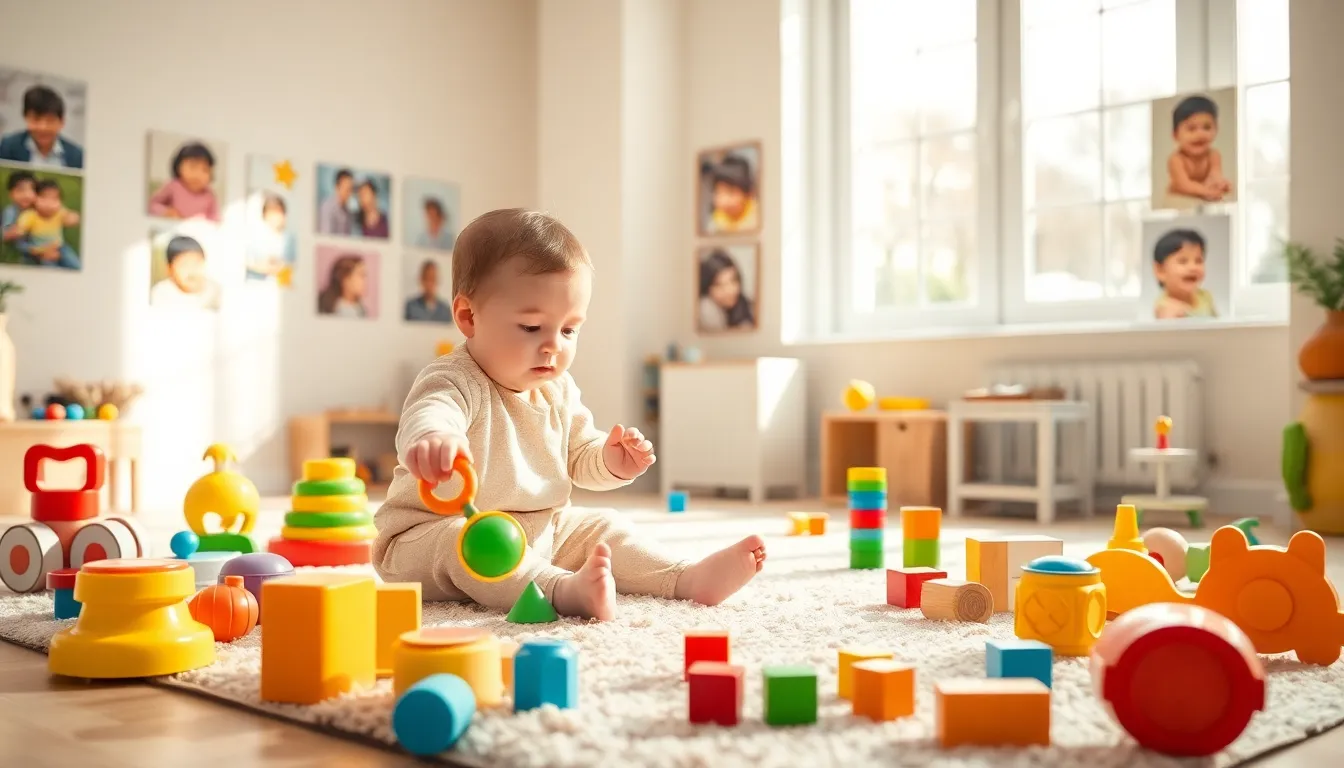
When it comes to learning, infants are like sponges, soaking up everything from sounds to social cues. But what does that really mean? Well, it turns out that their learning is not merely a passive reception of information. In fact, it’s a dynamic and interactive process.
Babies employ what researchers call ‘active exploration’, which involves engaging their senses and bodies. They’re not just sitting there, relying only on what they hear or see. Instead, they reach, grasp, and even taste their way through the learning experience. For example, when a baby plays with a toy, they aren’t just figuring out how it works: they are also learning cause and effect. If they shake the toy and it makes a sound, they quickly associate their action with the reaction.
Plus, the environment around an infant plays a crucial role. Learning is influenced greatly by cultural practices and parental interactions. Different cultures can shape infants’ learning experiences in varied ways, making this a beautifully complex topic.
Cognitive Development in Infants
Cognitive development is a fundamental aspect of how infants learn. Remarkably, Piaget’s stages of cognitive development provide a fascinating lens through which we can view this process. From sensory motor stages to the conceptual understanding of objects, infants grow incredibly fast.
In the first few months, your baby is busy figuring out the world through their senses. They’re observing light, listening to sounds, and, yes, even munching on toys. This sensory-motor stage is their first step into the realm of cognitive learning, where actions and results begin to intertwine.
By about six months, cognitive leaps continue to happen. They start to develop a sense of object permanence, realizing that objects still exist even when they can’t see them. Picture the bewildered face of an infant as a parent hides a toy. This magical realization marks a critical point in their cognitive development. And just like that, they’re on their path to problem-solving.
The Role of Sensory Exploration
Sensory exploration is a cornerstone in how infants learn. It’s not just about what they see: it’s about what they feel, hear, and even smell. Infants use their senses to make sense of the world around them, and this exploration is rich with learning opportunities.
Think about it, every texture to their tiny fingers is a new discovery. Soft blankets, crinkly paper, and even the strange sensation of grass tickling their toes all contribute to their understanding of different materials and sensations.
Also, auditory exploration plays a big role too. Babies are keen listeners, often responding to familiar voices or music. Such sound experiences help refine their auditory discrimination, allowing them to distinguish between various sounds, like the rustling of leaves versus the sound of a dog barking. The stimuli they experience through sensory exploration not only enhance their learning but also shape their emotional wellbeing.
Social Interaction and Learning
Humans are social creatures, and infants are no different. Social interaction significantly impacts how they learn. From the moment a baby is born, they crave connection. Eye contact, smiles, and vocalizations from caregivers are some of the earliest lessons for these little learners.
Social referencing comes into play here. When an infant looks to their caregiver for cues on how to react to new experiences, they’re building their understanding of social norms and emotional responses. Imagine a baby watching their parent react excitedly to a puppy: that infant learns not only about the puppy but also about emotions related to joy and fear.
This learning doesn’t happen in isolation. Infants thrive in environments rich with social interactions, and those moments shared with caregivers are paramount to cognitive and emotional growth. It’s through giggles, cuddles, and playful banter that they navigate the complexities of relationships from a young age.
Language Acquisition in Infants
If you think learning to speak is tough, imagine the whirlwind journey infants embark on to acquire language. It’s mind-boggling. From their first coos to eventual babbles, language acquisition is a fascinating component of learning.
Initially, infants communicate through cries and coos to express their needs. As they grow, they begin to imitate sounds around them. Caregivers who engage in conversation, even with a mere baby talk, lay the groundwork for vocabulary development.
Around six months, babies typically start babbling, mixing consonants and vowels into delightful gibberish that often makes their parents giggle. But, this is crucial practice, allowing them to experiment with sounds. By the time they reach their first birthday, most infants can say a few words, signifying monumental progress in their language journey.
Attachment and Emotional Learning
Attachment is foundational for infants’ emotional learning. Secure attachments formed with caregivers provide a sense of safety, which is crucial for healthy emotional development. When infants feel safe, they are more likely to explore and learn.
Think about this: a securely attached baby will venture further during play, knowing that their caregiver is there for support. In contrast, an insecure attachment may lead to hesitation or anxiety when exploring new environments.
This is where the emotional learning component kicks in. Infants learn about trust, empathy, and social nuances by observing how caregivers react in various situations. Lesson by lesson, they understand the subtleties of human emotions and social cues, shaping their emotional intelligence.
Practical Strategies for Encouraging Learning
Supporting an infant’s learning journey can be as exciting as it is essential. Here are a few practical strategies caregivers can use:
- Engage in Play: Activities that involve singing, dancing, or playing with toys can stimulate cognitive development.
- Talk and Read: Narrate your daily activities or read aloud even if they don’t understand the words. This exposes them to language.
- Provide Sensory Experiences: Let them explore different textures, sounds, and sights. Sensory bins filled with various materials can ignite curiosity.
- Encourage Social Interaction: Arranging playdates or participating in baby classes gives infants opportunities to engage with peers and caregivers alike.
- Be Patient: Each infant develops at their own pace. Celebrate small milestones, and remember that every interaction counts.


