

When winter arrives and the world turns chilly, many animals settle into their cozy dens for a long snooze. What better way to introduce preschoolers to the marvels of nature than through some engaging hibernation crafts? Not only do these crafts tap into kids’ creativity, but they also open the door to discussions about wildlife, seasons, and the wonders of hibernation. So grab your glue, scissors, and some colorful supplies, it’s time to embark on a crafty, cozy adventure that’s bound to be a hit.
Understanding Hibernation
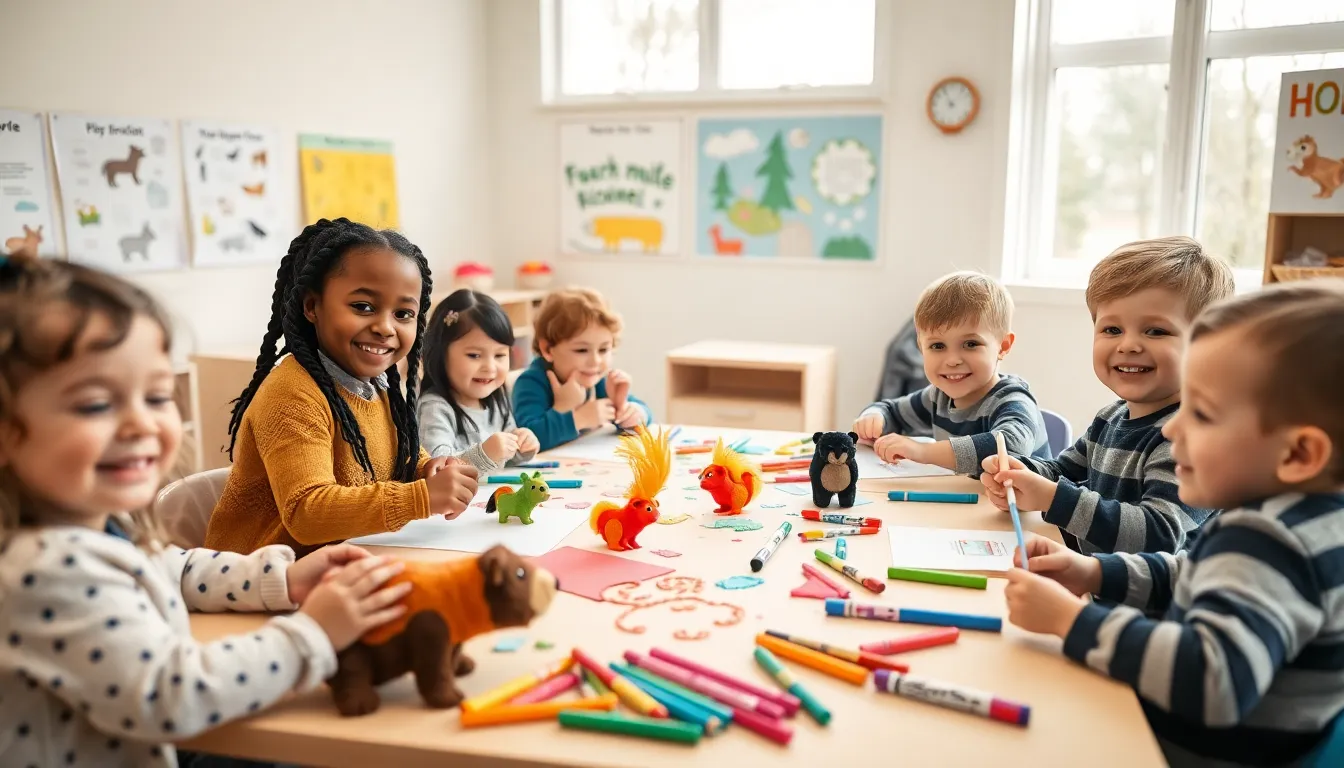
Hibernation is a fascinating phenomenon that occurs when certain animals prepare for winter by entering a state of deep sleep. During this time, their metabolic rates slow down, and their bodies conserve energy. This adaptation helps creatures like bears, squirrels, and even some reptiles survive through a period when food is scarce.
Preschoolers may not fully grasp the scientific details, but they can certainly relate to the idea of curling up in a warm spot and snoozing through the cold. Engaging them with stories and visuals can spark curiosity, leading them to learn more about these remarkable creatures and their habits.
The Importance Of Hibernation Crafts
Crafts are a fantastic way for preschoolers to explore new concepts in a hands-on manner. When it comes to hibernation, creating projects allows children to express their understanding creatively while also enhancing fine motor skills. These activities aren’t just a fun way to fill time: they encourage imagination and storytelling.
Besides, hibernation crafts can stimulate discussions about wildlife survival, the changing seasons, and the importance of respecting nature. As children glue together their favorite hibernating animals, they begin to form connections between art and science, how cool is that?
By linking crafting with learning, preschoolers absorb information in a more meaningful way, making this an ideal teaching opportunity for educators and parents alike.
Craft Ideas For Hibernation Theme
Crafting for the hibernation theme can be both fun and educational. Here are some engaging projects to get those little hands busy.
1. Bear Cave Diorama
Creating a bear cave diorama is a delightful way for children to learn about where bears hibernate. Start with a shoebox to represent the cave. Kids can paint the inside brown to mimic a bear’s cozy den. After that, they can add paper trees, rocks, and even a bear cutout. This not only teaches them about the bear’s habitat but also encourages them to narrate the bear’s hibernation journey.
2. Hibernating Animal Masks
Masks are a favorite among preschoolers. They can create masks of various hibernating animals like bears, turtles, and groundhogs. Using paper plates, markers, and some craft supplies, children can design their masks and share facts about the animals they depict. This craft adds an imaginative twist to learning and can lead to group discussions or role-playing activities.
3. Winter Wonderland Snowflakes
Letting kids create their own snowflakes invites them into the winter wonderland concept where many hibernating animals live. Provide white and blue paper, scissors, and glitter. They can cut and fold their paper to make unique snowflake designs. This activity not only enhances their cutting skills but also results in beautiful decorations to hang up or take home.
4. Sleepy Animal Puppets
Using socks or paper bags, children can create sleepy animal puppets representing their favorite hibernators. They can decorate the puppets with fabric, buttons, or markers and practice storytelling. This project promotes imaginative play and discussion about the animals’ hibernation habits.
Incorporating Learning With Crafts
Integrating educational elements with crafts enhances their value. For instance, while children are working on their bear cave dioramas, adults can introduce animal facts or show videos about how bears hibernate. This multi-modal approach captures attention and reinforces lessons.
Questions like “What do you think the bear is dreaming of?” or “Why do you think animals hibernate?” spark curiosity and encourage them to think critically. Nature walks could also complement the crafting activities, allowing children to see the relevant environmental changes, such as bare trees and leaves.


